
Arizona Family Court Records
Arizona family court records are public documents held by county Superior Courts across the state. These records cover divorce cases, child custody disputes, child support orders, paternity actions, and legal separation filings. You can search Arizona family court records through the statewide public access portal, at local clerk offices, or by mail request. Each of the 15 Arizona counties maintains its own family court division within the Superior Court system, and the Clerk of Superior Court in each county handles record requests and document copies.
Arizona Family Court Records Quick Facts
Where to Find Arizona Family Court Records
Arizona family court records are kept at county Superior Courts. Each county has a Clerk of Superior Court who stores and manages these files. The clerk office handles all family law case documents including divorce decrees, custody orders, and support judgments. You can visit any clerk office in person during business hours. Most are open Monday through Friday from 8 AM to 5 PM. Staff can help you search for records and make copies of documents you need.
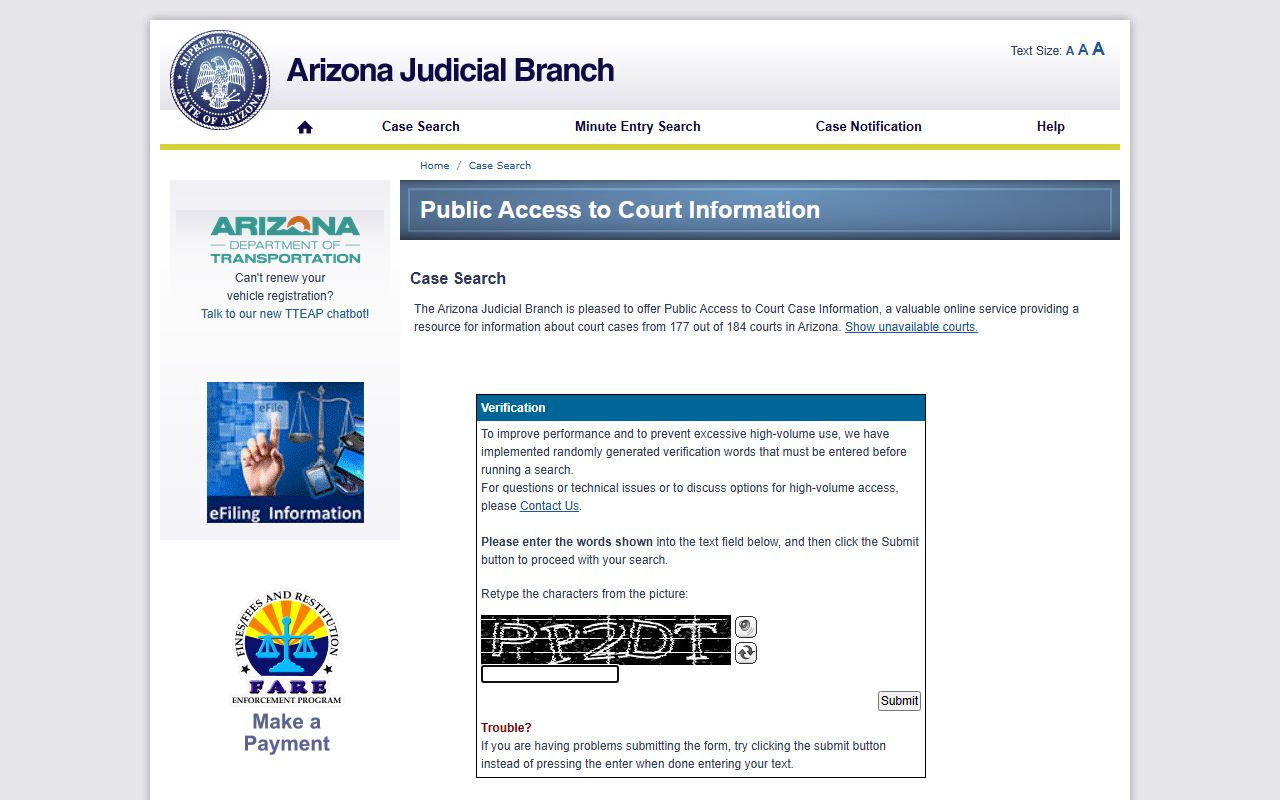
The Arizona Courts Public Access Portal lets you search family court records online from 153 courts across the state. This free tool covers most Superior Courts in Arizona. You can look up cases by party name or case number. The system shows basic case information, filing dates, and case status. Some documents may be available to view online, while others require an in-person visit to the clerk office.
The Arizona Department of Health Services at azdhs.gov handles vital records like birth and death certificates. Marriage and divorce certificates are not issued by this agency. Instead, these come from the county where the event took place. The Bureau of Vital Records is at 150 North 18th Ave., Suite 120, Phoenix, AZ 85007. You can call them at (602) 364-1300 or toll-free at (888) 816-5907.
Note: Arizona marriage and divorce records are maintained by county Superior Courts, not the state health department.
How to Search Arizona Family Court Records Online
Online searches are the fastest way to find Arizona family court records. The state court system offers free public access to case information through its web portal. You do not need an account to search. Just go to the site, pick your county, and enter the name or case number you want to find. Results show up right away on your screen.
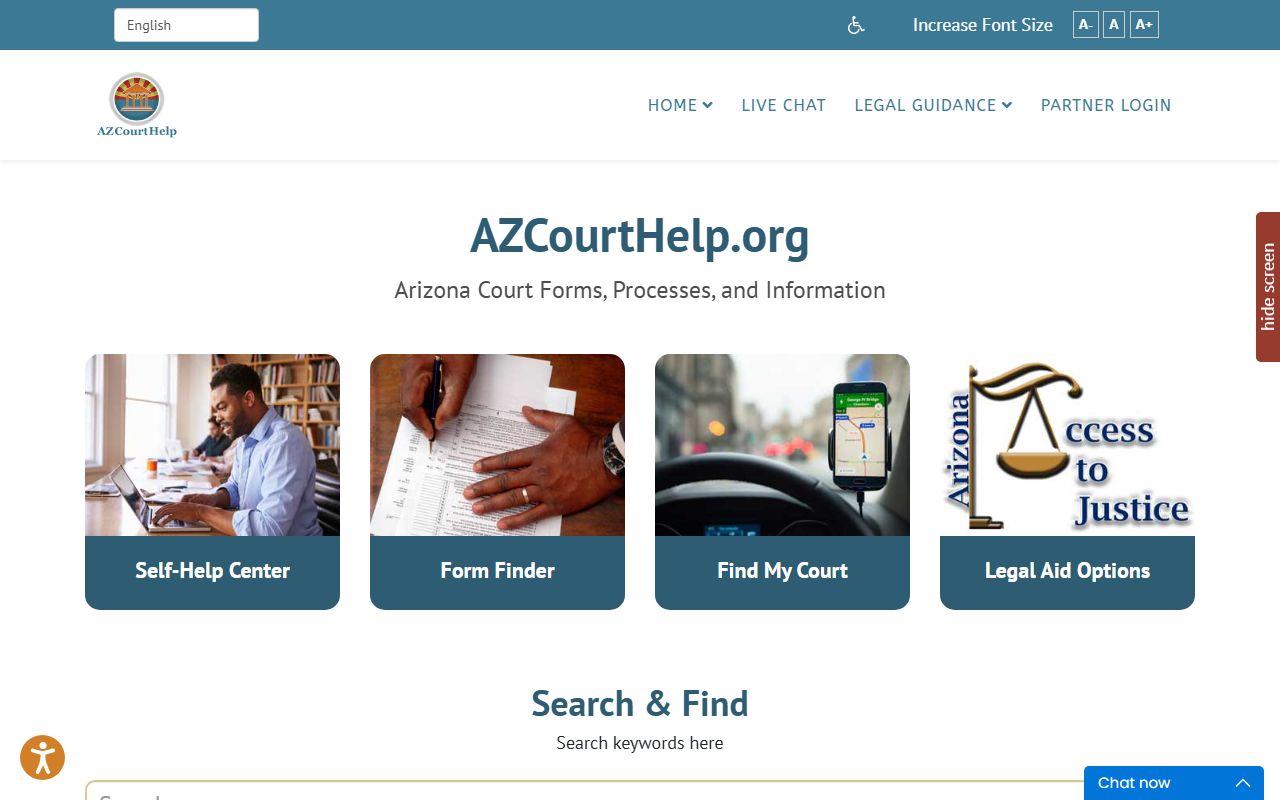
The AZ Court Help website has tools and guides for searching court records in Arizona. This site helps people find forms, court locations, and self-help resources. It covers all types of family law matters including divorce, custody, and support cases. The site also has a court finder tool that shows contact information for every court in the state. You can use this to find the right clerk office for your search.
To search Arizona family court records online, you need the following:
- Full name of at least one party in the case
- County where the case was filed
- Approximate date range of the filing
- Case number if you have it
Some counties have their own search portals too. Maricopa County offers a family court case search on their website. Pima County has the Clerk of Superior Court portal for online lookups. Check with your local county to see what online tools they provide for family court record searches.
Types of Arizona Family Court Records
Arizona family court records cover many case types. Divorce cases are the most common. A divorce filing starts when one spouse submits a petition for dissolution of marriage. The case file grows as both parties respond, attend hearings, and reach agreements. The final divorce decree ends the marriage and sets the terms for property division, custody, and support. All these documents become part of the court record in Arizona.
Child custody records in Arizona are called legal decision-making and parenting time cases. Arizona Revised Statutes Title 25, Chapter 4 governs these matters. The court decides who makes major choices for the child and how time is split between parents. These records include parenting plans, custody evaluations, and court orders. Modifications to custody orders also create new records in the file.
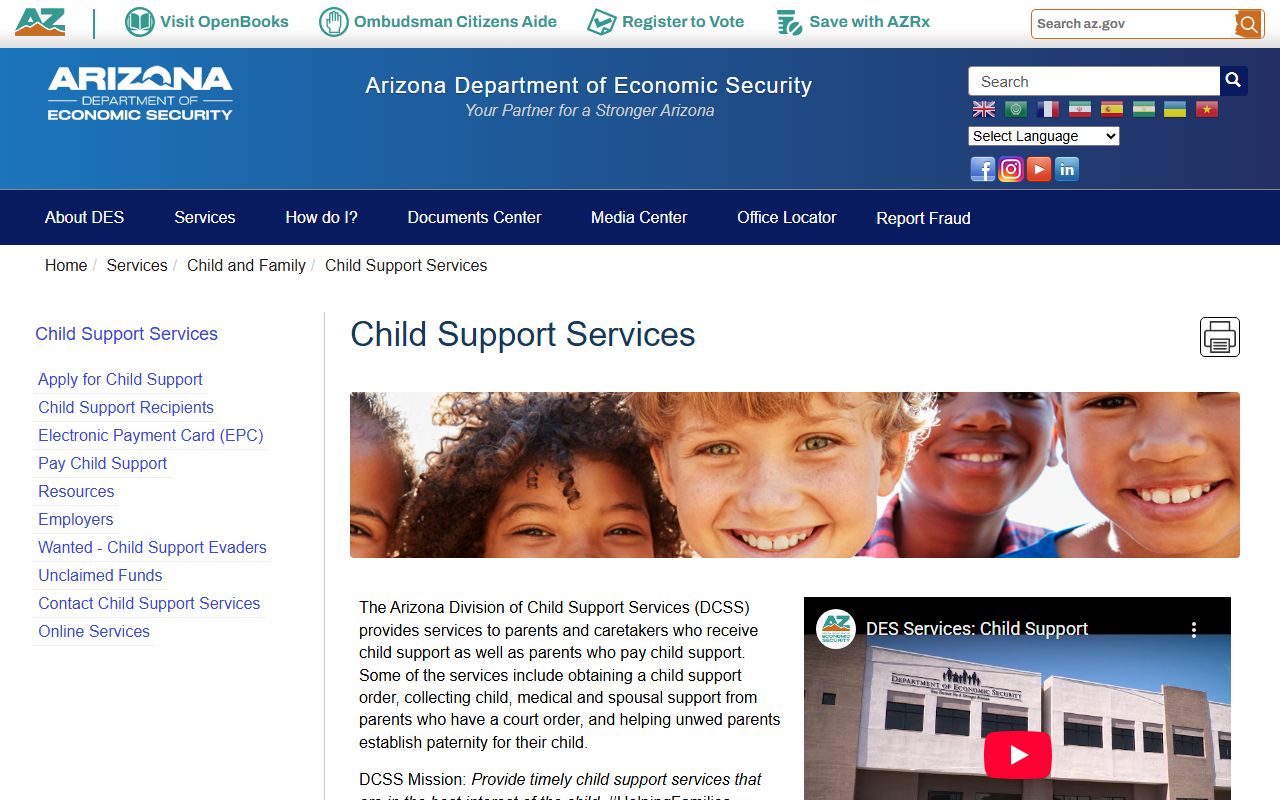
Child support records track payment orders and enforcement actions. The Arizona Division of Child Support Services works with courts to establish and collect support. You can reach them at 602-252-4045 or toll-free at 1-800-882-4151. They help parents get support orders, modify existing orders, and collect payments. The agency also helps establish paternity for children born to unmarried parents.
Arizona family court records typically include:
- Petitions and responses filed by the parties
- Financial disclosure statements
- Temporary orders for custody or support
- Settlement agreements between spouses
- Final decrees and judgments
- Modification requests and orders
Paternity cases establish the legal father of a child. These records show DNA test results, acknowledgments of paternity, and court orders naming the father. Once paternity is set, the court can order child support and establish custody rights. The Arizona Revised Statutes Title 25, Chapter 6 covers maternity and paternity proceedings in the state.
Arizona Family Law Rules
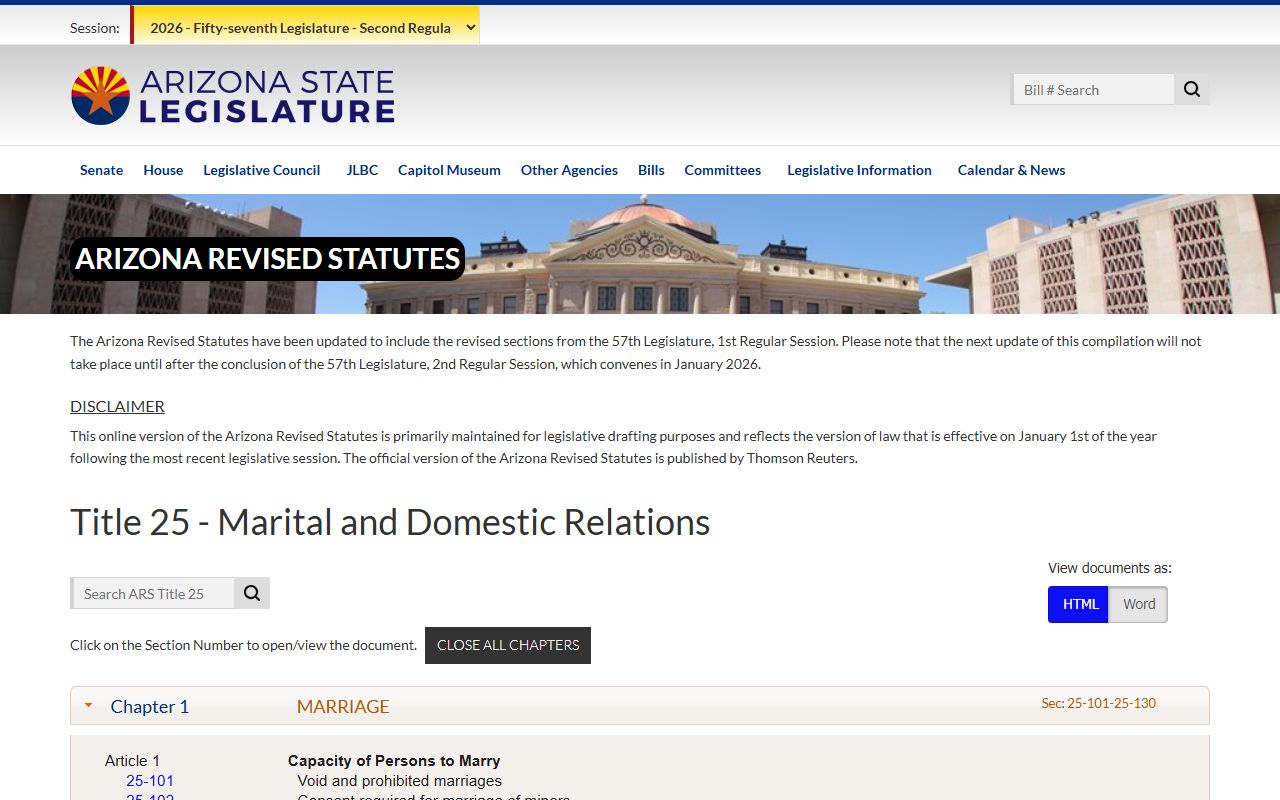
Arizona law sets the rules for family court cases. The Arizona Revised Statutes Title 25 covers all marital and domestic relations matters. This includes marriage licensing, divorce procedures, custody rules, and support obligations. The state legislature updates these laws each session. The Arizona courts website has links to the current statutes for reference.
To file for divorce in Arizona, at least one spouse must have lived in the state for 90 days. You file in the county where you or your spouse lives now. Arizona is a no-fault divorce state. This means you do not have to prove your spouse did something wrong. You just have to state that the marriage is irretrievably broken. The court must wait at least 60 days after service before it can finalize the divorce.
Arizona is a community property state. Under state law, most assets and debts from the marriage are split equally between spouses. Each person keeps their separate property, which includes things they owned before marriage or received as gifts. The court divides community property fairly, which usually means a 50/50 split in Arizona divorce cases.
Covenant marriage is an option in Arizona. Arizona Revised Statutes Title 25, Chapter 7 covers this type of marriage. Couples who choose covenant marriage agree to pre-marital counseling and limited grounds for divorce. Ending a covenant marriage requires proof of fault or a longer separation period. Records show whether a marriage was a standard or covenant type.
Arizona Family Court Record Fees
Fees vary by county in Arizona. Most clerk offices charge $0.50 per page for plain copies of family court records. Certified copies cost more. The certification fee is typically $35.00 on top of the copy cost. Some counties also charge a research fee if staff must search for records on your behalf. This fee is often $35.00 per year searched.
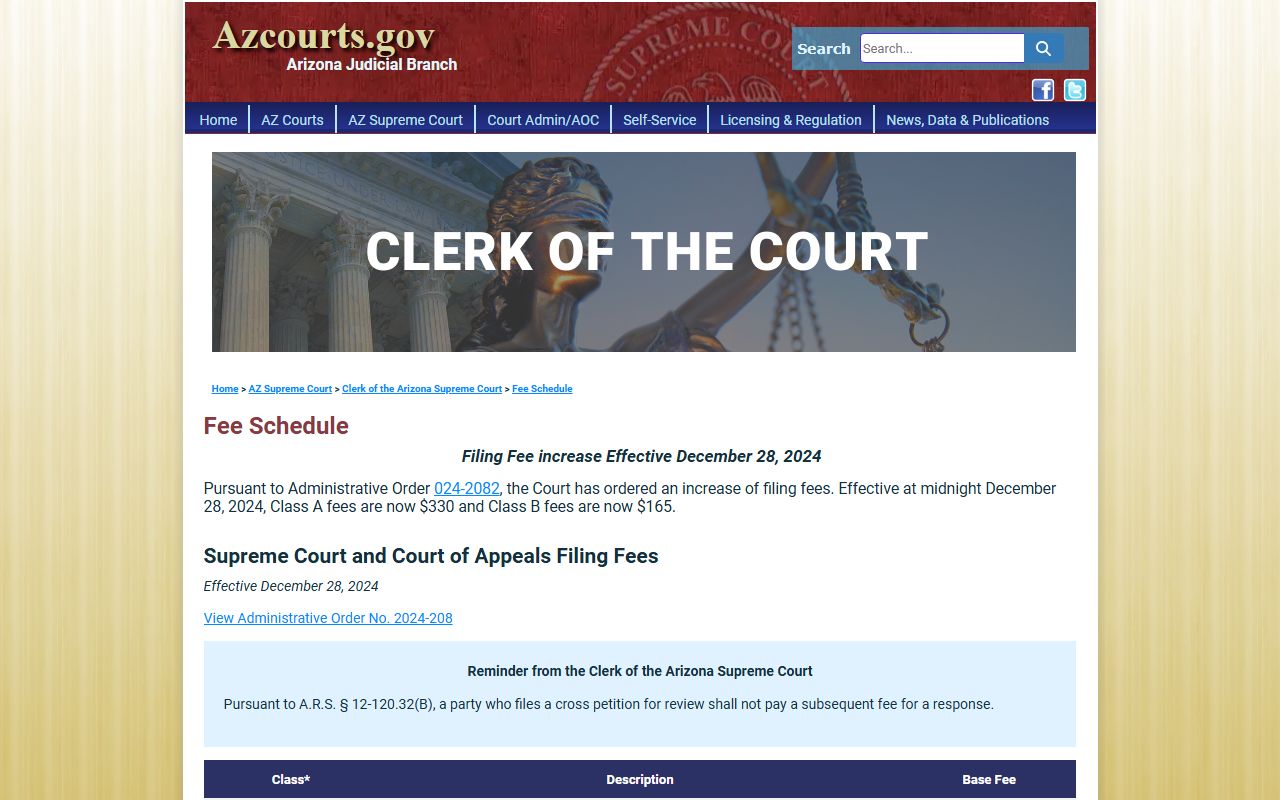
The Arizona Courts fee schedule shows filing fees for new cases. As of December 2024, Class A filing fees are $330 and Class B fees are $165. Divorce filings fall under Class A fees in most cases. Response filings and other motions have separate fee amounts. Fee waivers may be available for people who cannot afford to pay.
Maricopa County has specific family court fees. Filing for dissolution of marriage costs $376.00 whether or not there are children. A summary consent decree is $331.50. Legal decision-making petitions cost $306.00. Paternity and maternity filings are $371.00. Orders of protection have no filing fee. Contact the Maricopa County Clerk at (602) 372-5375 for current fee information.
Note: Filing fees change from time to time, so verify current costs with the clerk office before submitting your request.
How to Get Arizona Family Court Record Copies
You can get copies of Arizona family court records in three ways. In-person visits work well if you know which courthouse has your records. Go to the Clerk of Superior Court during business hours. Tell the clerk what you need and provide the case number or party names. Staff will search the system and make copies for you. Bring cash or a check to pay the fees.
Mail requests are another option. Write a letter to the clerk office in the county where the case was filed. Include the names of the parties, the approximate date of the case, and your contact information. Send payment with your request. Most counties accept checks or money orders. Processing time varies but usually takes one to two weeks for mail requests.
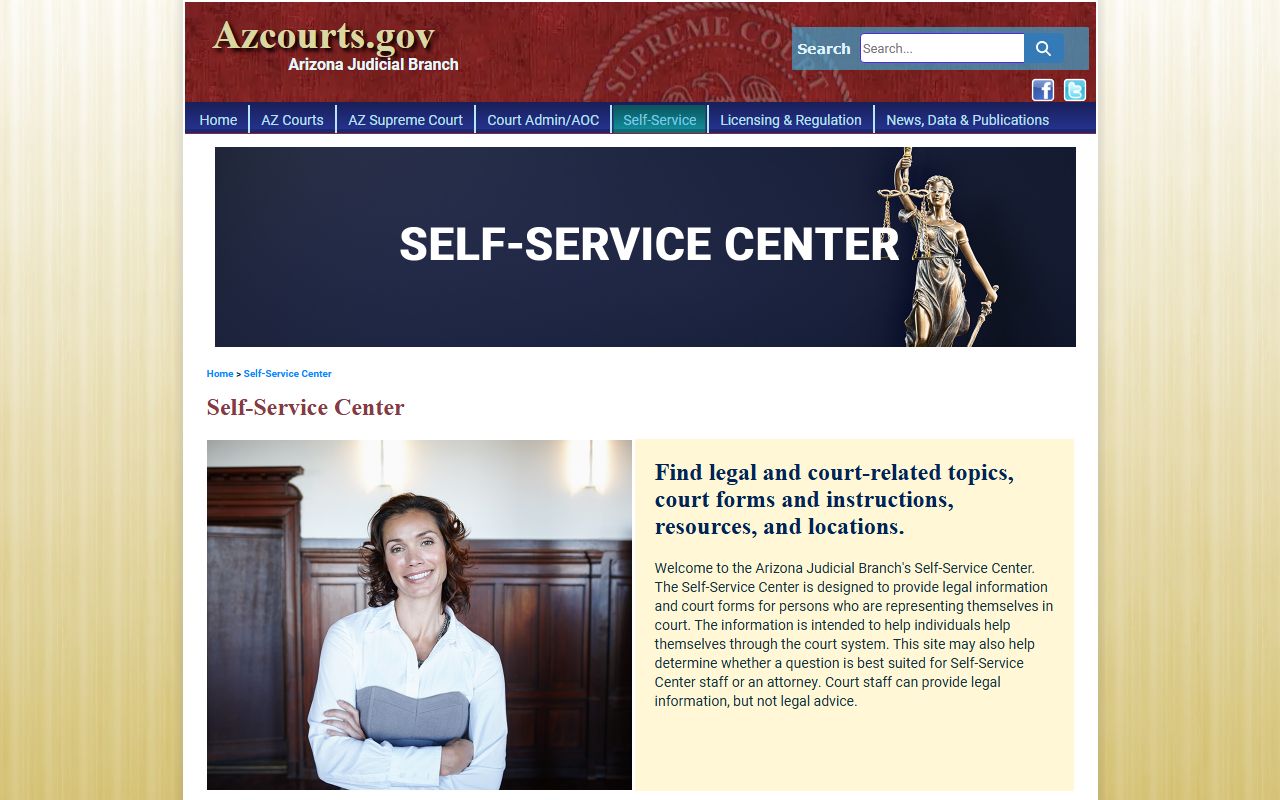
Online access is available through the Arizona Courts Self Service Center. This site has forms, instructions, and links to county court portals. Some documents can be viewed or downloaded directly from the case lookup system. Others must be requested through the clerk office. The self-service center also has guides for people handling family law matters without a lawyer.
Many counties accept online payment for record requests. AZCourtPay is the state payment portal for court fees. Check with your local clerk office to see if they use this system. Some counties have their own payment portals as well. Gila County uses gilasuperiorcourtpay.com for payments. La Paz County uses lapazsuperiorcourtpay.com. Verify the correct site before making any payment.
Legal Help for Arizona Family Court Cases
Legal aid groups help people with family court matters in Arizona. The Law Library Resource Center in Maricopa County provides free help to people handling their own cases. Staff can point you to forms, explain court procedures, and help with filing questions. They cannot give legal advice, but they can show you how to find what you need. Call (602) 506-7353 or (602) 506-SELF for more information.
Pima County has a Law Library at 110 West Congress Street, Room 256 in Tucson. The library is open Monday through Friday from 8:30 AM to 5 PM. Staff can help you find forms and resources for family law cases. Self-service copies cost 15 cents each. You can reach them at (520) 724-8456 or email lawlibrary@sc.pima.gov.
Arizona requires parent education classes in many family cases. Pima County offers a parent education course for $50. Parties must attend within 45 days of filing or being served unless the judge says otherwise. The court will not accept certificates from other online classes without prior approval. Check with your county about local parent education requirements.
The AZPOINT portal handles protective order petitions. If you need an order of protection in a family matter, you can start the process online. The system guides you through the forms and lets you file electronically. There is no filing fee for protection orders in Arizona.
Are Arizona Family Court Records Public
Most Arizona family court records are public. Arizona Revised Statutes Section 39-121.01 defines public records and access rights in the state. However, court records follow a different rule. Access to Arizona court records is governed by Arizona Supreme Court Rule 123, not the general public records law. This rule sets out what court records are open and which are sealed.
Some family court records are not public in Arizona. The Arizona State Library notes that adoption records, probate records involving juveniles, and certain other records are closed. Juvenile court records are protected under Arizona Revised Statutes Section 8-208. Records of adoption, severance, or dependency cases are not open to public inspection.
County Superior Court records that are 50 years and older may be transferred to the State Archives. If you need very old family court records, you might have to contact the archives instead of the clerk office. Current records stay with the county where the case was filed. Most recent divorce, custody, and support records are available through the county clerk.
Note: Some sensitive information may be redacted from public copies of family court records in Arizona.
Browse Arizona Family Court Records by County
Each Arizona county has its own Superior Court that handles family law cases. Pick a county below to find local clerk contact information and resources for family court records in that area.
Family Court Records in Major Arizona Cities
Arizona cities do not have their own family courts. All family law cases go through county Superior Courts. Pick a city below to learn which county handles family court records for that area.